Repair, Restore, or Replace: Making the Call on an Aging Commercial Roof
Every aging low slope roof eventually forces a bigger question than how to fix the latest leak.
September 24, 2026 · 3 min read
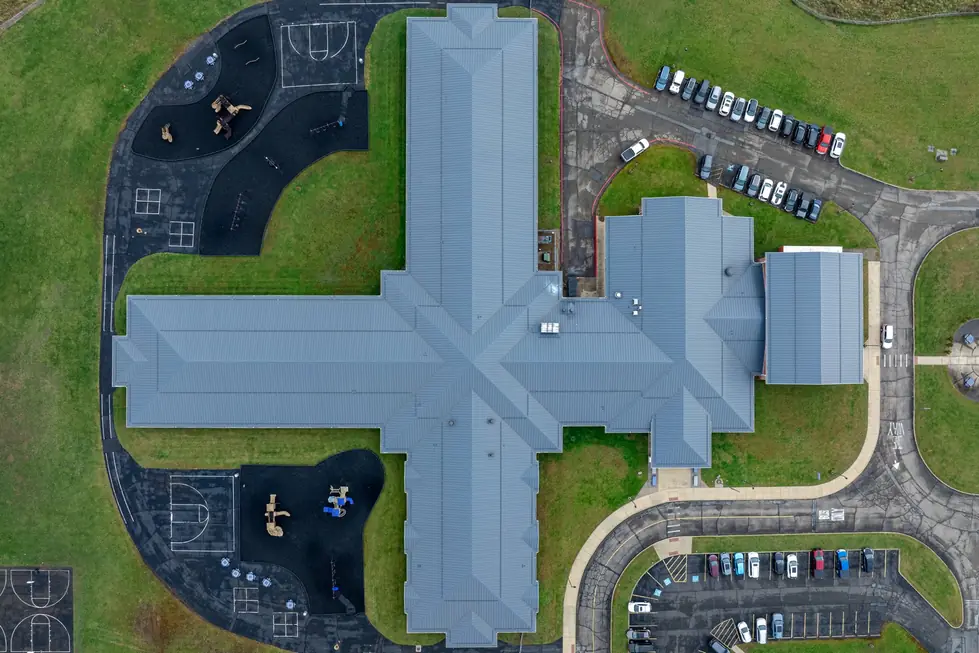
The question every aging low slope roof eventually raises
Every low slope commercial roof reaches a point where a leak or a failed detail raises a bigger question than how to fix this one spot. Building owners and facilities managers start asking whether continued repairs are still the right investment, whether a restoration could extend the roof's useful life without a full replacement, or whether it's time to plan for tearing off and starting over. There's no single answer that applies to every roof. It depends on the roof's condition, how it's been maintained, and where it fits into the building's broader capital plan.
When repair is still the right call
A roof with isolated problems, a failed seam here, a damaged flashing detail there, is usually still a repair candidate, especially if the rest of the membrane is in reasonably good shape. Repairs make sense when problems are localized and the underlying roof structure and insulation haven't been compromised. The risk with relying on repair alone shows up when the same kind of problem keeps recurring in different spots each year. That pattern usually signals something happening across the whole roof, not a series of unrelated incidents.
What restoration can buy you
Restoration sits between repair and replacement. It's generally used on a roof that is aging and showing wear across a broad area, membrane that has lost some flexibility, surface wear, or minor issues here and there, but where the underlying structure, insulation, and roof deck are still sound. A restoration approach can extend a roof's service life without the cost and disruption of a full tear off, which is often attractive for a facility trying to stretch its capital budget across several priorities rather than concentrating it all in one project.
Weighing the roof against the building's future
The right call also depends on the building itself, not just the roof. A facility the owner plans to hold and use for many more years justifies a different level of investment than a building that's on a shorter horizon, up for sale, or scheduled for a larger renovation. A roof decision made without that context can end up mismatched: overspending on a full replacement for a building that won't need it for long, or under-investing in a roof over a facility that's central to long term operations. Weighing the roof against where the building itself is headed is part of making the repair, restore, or replace call responsibly, not just technically.
When replacement is the honest recommendation
Some roofs reach a point where restoration doesn't make sense anymore, usually because membrane failure is widespread, insulation has become saturated in multiple areas, or the roof has a history of recurring leaks that repairs haven't resolved. In those situations, an honest inspection should say so plainly rather than recommending another round of patching that won't hold. Mansuetto Roofing & Sheet Metal frames its inspections and estimates around exactly this kind of practical, transparent assessment, aimed at helping a building owner make an informed decision rather than delaying an inevitable replacement.
- How widespread the membrane wear or damage is
- Whether insulation has become wet or saturated
- How many recurring leak locations there have been
- The roof's age relative to its system type
- How the roof fits into the facility's multi year capital plan
Letting inspection findings drive the capital plan, not the other way around
The best version of this decision doesn't happen the week a leak shows up. Facilities managers and building owners who track roof condition over time, through regular inspections rather than reactive calls after a storm, have a much easier time making the repair, restore, or replace decision, because they're working from a pattern instead of a single data point. That kind of ongoing tracking is also what makes long term capital planning realistic: knowing two or three years ahead that a section of roof is heading toward replacement is far easier to budget for than an emergency tear off after a failure.
Mansuetto has worked with building owners and facilities managers across Ohio, West Virginia, and Pennsylvania since 1966, partnering on proactive maintenance strategies that extend roof life, reduce risk, and support long term capital planning.
If you're trying to figure out where an aging roof stands, the inspections and estimates page is the place to start, and the roofing repairs and maintenance page covers ongoing care once a plan is in place. You can also call (740) 633-7320 to talk through your building's specific situation.
Mansuetto Roofing & Sheet Metal, (740) 633-7320
Call (740) 633-7320More articles
Choosing the Right Roof System for a Commercial Building
The right commercial roof system depends less on trend and more on how a building is used, where it sits, and what it needs to survive.
What a Commercial Roof Inspection Should Tell You
A useful roof inspection does more than list problems. It tells you which budget decision to make next, and why.